A windshield quote seems straightforward until you sign the work order and the price swells like a summer thunderhead. I have sat across counters with customers who thought they were paying 300 dollars for a simple windshield replacement, only to see the final invoice land closer to 550 once adhesives, moldings, and calibration were tacked on. The confusion rarely comes from bad intentions. It comes from vague quotes, rushed phone estimates, and small details that get missed when a shop tries to price your job blind.
If you are searching auto glass near me and collecting numbers, this guide can save you real money. We will walk through why quotes vary so much, which parts and services often get split off into “extras,” and how to ask questions that bring the full cost to light before you book. I will share the cues I look for on a car that suggest higher cost ahead, plus a handful of stories from the shop floor where a five‑minute conversation would have prevented sticker shock.
Why windshield quotes swing so widely
The same vehicle can get three different quotes from three shops, and each can be defensible on its own merits. Glass is not a commodity like a quart of oil. Fitment varies, parts availability fluctuates, and technology inside the glass has multiplied. A base windshield on an older sedan might be plain laminated glass. The same model, same year, but with a driver‑assist package can require a windshield with an acoustic interlayer, a camera mount, heated wiper park area, rain sensor, and a heads‑up display-compatible tint band. Those features cost more and often require calibration after installation.
Labor times vary with the vehicle. Some windshields slide out cleanly. Others hide under deep cowls and bonded trims that fight you every inch. Weather matters too. Cold temperatures slow adhesives and may require high‑viscosity urethanes or longer safe drive‑away times, which changes scheduling and sometimes labor. When a shop quotes quickly over the phone without your VIN, they are guessing. Guessing leads to lowball numbers that get “corrected” later.
The anatomy of a windshield replacement price
Understanding what lives inside a fair windshield quote helps you see where fees get tucked away:
- Glass cost. OEM, dealer, or reputable aftermarket glass from a major manufacturer. OEM tends to be more expensive. Aftermarket can be excellent, but quality varies by brand and feature complexity. Moldings and clips. Many windshields use one‑time‑use moldings or clips that must be replaced. Some are inexpensive. On certain imports, the top reveal molding alone can run 80 to 200 dollars. Adhesive and materials. Professional urethane, primers, glass cleaner, gloves, tape, and disposal. The urethane cartridge itself can be 15 to 35 dollars wholesale, more for premium or cold‑weather formulas. Labor. Removal, prep, install, cleanup. Rates depend on region and vehicle complexity. Calibration. If your vehicle has a forward‑facing camera, radar behind the glass, or lane‑keeping and automatic braking features, plan on recalibration. Static, dynamic, or both, performed with a scan tool and targets or during a road drive sequence. Mobile service surcharge. Not every shop adds this, but some charge extra to send a van to your driveway or office. Taxes and shop fees. Disposal of glass, shop rags, environmental fees. These should be modest and stated.
You can quickly see why a price that sounds too good often omits one or two of these pieces. If two quotes are separated by 150 dollars or more, the lower one probably left out a part or a service you will need.
The most common hidden fees
The pattern repeats across markets. Shops advertise a low auto glass quote to get the phone ringing, then fill in the real costs after they have the vehicle. These are the add‑ons that surprise people most often.
Adhesive upgrade. You may get quoted with a generic urethane, only to be told on installation day that you need a “high‑modulus” or “cold‑weather” adhesive for proper bonding and a safe drive‑away time. The difference in cost is real, but it should be part of the original number. If a shop plans to use an approved adhesive for your vehicle and conditions, it belongs in the base price.
Molding and clip kits. Some vehicles require new perimeter moldings, side trims, or A‑pillar clips. These are not optional if they are one‑time‑use parts. They prevent wind noise, leaks, and trim movement. Shops sometimes quote “glass and labor” only, then add 60 to 180 dollars when they pull the old trim and find broken clips. A seasoned estimator asks about trim condition up front and quotes with new parts when appropriate.
Advanced driver assistance calibration. This one is big. If your car has lane departure, automatic emergency braking, traffic sign recognition, or a camera behind the rearview mirror, expect a calibration line on the invoice. A dealer or qualified independent calibrates the system after windshield replacement to ensure the camera sees the road correctly. Depending on the brand and type, plan for 125 to 400 dollars at independents, 200 to 600 at dealerships, occasionally more on European makes. If your quote says “calibration not included” or “price subject to scan,” clarify before the appointment.
Rain sensor gel pads and brackets. The clear pad that sits between a rain sensor and the glass is often one‑time‑use. If it tears or bubbles, the sensor will misread. Expect 10 to 40 dollars for a new pad. Some vehicles use a bonded sensor bracket on the glass. If you ordered a windshield without that bracket pre‑installed, a technician must bond a new one, which adds time and materials.
Heated features and antenna connections. Windshields with integrated antennas, heated wiper park areas, or full heating grids need the correct part number. If the wrong glass arrives, some shops propose workarounds or offer a cheaper non‑heated glass. Declining the proper feature to save money usually creates annoyance later, from radio static to winter defrost issues. The cost difference can be 50 to 200 dollars depending on the feature.
Mobile convenience fee. Many shops eat the cost of a mobile visit, but not all. If you live outside the core service radius or need a specific time window, expect a fee. It is fair to charge for the truck and time, but it should be disclosed when you schedule.
Rust and channel repair. Corrosion in the pinch weld around the opening prevents urethane from bonding correctly. Minor surface rust gets cleaned and primed as part of the job. Flaky rust or holes require more serious repair. This is one of the few variables that cannot always be known until the old glass is out. A good shop will warn you about potential rust if they see bubbling under the trim or rough paint lines, and they will price the fix in ranges or pause the job to ask for approval.
Glass disposal and shop charges. Most places include disposal. If you see a disposal fee, it should be modest. Be wary of generic “shop supply” percentages that quietly add 8 or 10 percent to the ticket without explanation.
How to read a windshield quote like a pro
You do not need to memorize part numbers. You just need to make sure the estimator acknowledges the things that change your price. When I field customer calls, I always ask for the VIN. That seventeen‑character string unlocks exact options in most parts catalogs. It takes guesswork out of the auto glass quote and stops surprises.
Ask direct, simple questions. Does this price include new moldings and clips if they are required for my vehicle? Are you using an OEM‑equivalent brand or dealer glass, and can you name the manufacturer? Does the price include calibration for my specific driver assist features? Is mobile service included or extra? What is the safe drive‑away time with the adhesive you will use? Are there any taxes, disposal, or shop fees not shown here?
If you get vague answers, slow down. A trustworthy shop is happy to explain. They will tell you if they need to see the car or scan the VIN. They will tell you what they include and what they do not, and why. If a quote seems unusually cheap, it is either a real bargain from a hungry shop, or something is missing. Clarity is your friend.
OEM, OEE, and aftermarket glass: what you are actually paying for
Not every windshield stamped with the automaker’s logo is better, and not every aftermarket pane is inferior. The value depends on the feature set and the brand behind the glass. On a simple, non‑heated, non‑camera windshield, premium aftermarket glass often matches optical quality and fitment at a lower cost. On a windshield with a complicated frit pattern, IR coating, acoustic interlayer, or HUD compatibility, OEM or OEE (original equipment equivalent) from the OEM supplier can save calibration headaches.
I have installed aftermarket glass that calibrated on the first pass and dealer glass that needed a second try because the bracket offset was finicky. The pattern I trust: if the vehicle uses a camera behind the glass, I lean toward the same manufacturer that supplies the dealer part when the cost difference is reasonable. If the vehicle is straightforward, I select a well‑known aftermarket brand with consistent curvature and thickness, not the bargain bin.
When you see a quote that is 150 to 300 dollars higher because it includes OEM glass, ask whether the supplier is the same factory that makes the dealer pane, just without the logo. Sometimes it is. Sometimes it is not. If your car has heads‑up display, accept that the HUD‑compatible part costs more. Cheaper glass can distort the projection slightly. You may not notice on day one, but you will on the first long night drive.
ADAS calibration: where the big money hides
Advanced driver assistance systems changed the economics of windshield replacement. The camera that reads lane lines sits on the glass, and moving that glass even a few millimeters affects how the camera sees the world. Calibration brings the eyes back into alignment. It is not fluff. The liabilities involved are real, which is why more shops partner with dedicated calibration facilities or invest in targets and scan tools.
There are two dominant types of calibration. Static calibration uses physical targets and measurements in a controlled bay. Dynamic calibration uses a scan tool and a specific road drive at defined speeds while the system relearns. Many vehicles require one or the other. Some ask for both. Weather, road markings, and lighting can make dynamic sessions fail. This is one reason a mobile technician may replace the glass in your driveway, then ask you to visit a shop or dealership for calibration. It frustrates customers who expected a one‑and‑done appointment.
A fair quote should outline whether calibration is included, who performs it, and what happens if the first session fails and needs a second attempt. Expect a printed calibration report or scan log after completion. If a shop says your vehicle does not need calibration when the manufacturer service information says it does, that is a red flag. I have seen people try to save 200 dollars only to have their lane‑keep system steer aggressively on gentle curves. The fix costs more time later.
The “cheap now, expensive later” pitfalls
Saving money feels good until wind whistles through the top edge at 70 miles per hour. I have reinstalled more windshields than I care to count because the previous technician reused mangled moldings, skimped on primer, or set the glass too low in the channel. Material shortcuts do not always show up immediately. A tiny void in urethane lets water seep behind the dash Beaufort auto glass shop for months before a customer notices mold or electrical gremlins. Suddenly, that 100‑dollar savings looks foolish.
One memorable case involved a luxury SUV with an acoustic windshield and a rain sensor. The original shop quoted low and reused the old gel pad, which had stretched during removal. The sensor sent false rain signals. The wipers ran intermittently in dry weather, and the customer could not shut them off without pulling a fuse. We replaced the pad for 25 dollars and recalibrated the sensor. The annoyance could have been avoided with a correct parts line on the first invoice.
There is also the insurance wrinkle. If you carry glass coverage with zero deductible, the insurer expects an ADAS calibration when the manufacturer calls for it. Skipping the calibration can create a claims mess if a collision occurs and the investigation notes unperformed procedures. Even if you pay cash, you want documentation showing the vehicle was returned to spec.
What a complete, transparent quote looks like
When a shop puts everything on the table, the line items tend to look like this in substance, even if the wording differs:
- Correct windshield part number and brand, reflecting your VIN and options One‑time‑use moldings, side trims, or clip kits if required by your vehicle Urethane brand and safe drive‑away time under current temperature Labor for removal, installation, and cleanup ADAS calibration details, location, and cost, or a clear statement that your vehicle does not require calibration based on its build Mobile service inclusion or surcharge and any geographic limitations
You should also see taxes and any disposal or shop environmental fees enumerated. If the estimate leaves moldings as “may require,” ask for a range or a not‑to‑exceed number. If the shop has seen your exact model repeatedly, they should know whether those parts are compulsory.
Regional pricing, availability, and timing
If you are pricing auto glass replacement in a big metro area, expect more competition and a wider spread in quotes, especially from mobile teams. Rural markets can be steadier but sometimes carry longer lead times for special‑order glass. After hail events or cold snaps, demand spikes. You will notice schedules push out and some shops raise prices temporarily. If you can plan your windshield replacement during calmer periods, you may get better availability and more patient service.
Dealer parts backorders create another wrinkle. On certain European and luxury brands, the only reliable source for a HUD‑compatible or acoustic windshield at a given moment is the dealer. Prices reflect that. If your vehicle is drivable and an aftermarket equivalent is due to arrive in a week or two, waiting can save 200 to 400 dollars without compromising quality. A shop that watches distribution channels can advise you on timing.
When a rock chip repair avoids all of this
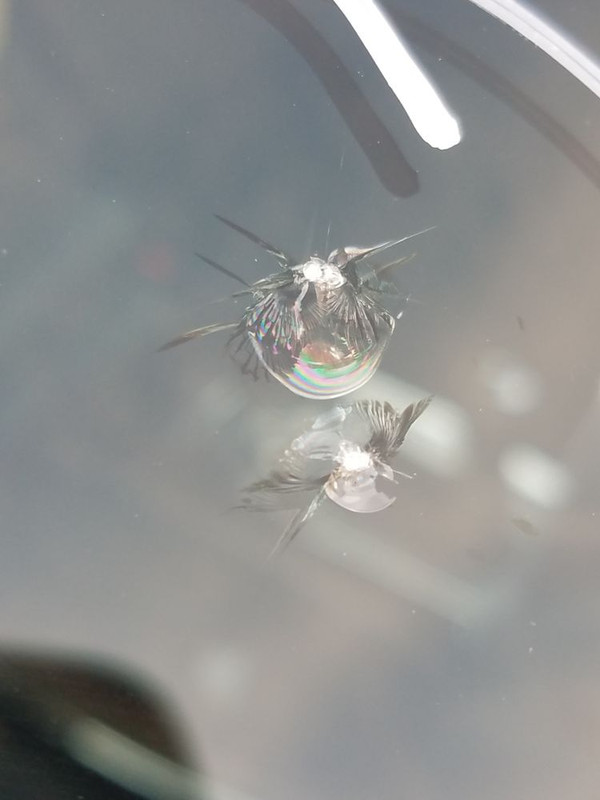
A good repair can keep you out of the replacement maze entirely. If the damage is a coin‑sized chip or a short crack that has not reached the edge, resin repair is worth trying. A proper repair costs a fraction of replacement and often preserves ADAS calibration since the glass stays in place. Insurers frequently waive deductibles for repairs. The window for repair is short. Dirt and moisture migrate into a chip over days. If you tape the chip and schedule quickly, the result looks cleaner.
I tell customers to repair any chip smaller than a quarter unless it sits directly in the driver’s primary view and would remain visually distracting even after resin fills it. If the crack has reached the glass edge, replacement jumps to the front of the line. Edge cracks propagate with vibration and temperature swings no matter how skilled the repair.
Finding a trustworthy shop when you search “auto glass near me”
Search engines flood you with options. Sorting the reliable from the rest is not complicated if you focus on process. Look for shops that ask for your VIN before quoting. That simple step signals a professional approach. Read customer reviews with an eye for details about communication and aftercare, not just star counts. Does the shop provide pictures or a calibration report post‑install? Do they talk about safe drive‑away times and curing, or do they promise you can hit the highway immediately? The latter is not always true.
If you can, swing by the shop. A five‑minute visit can tell you more than 20 minutes on the phone. Clean bays, proper glass racks, adhesive brands you recognize, and technicians who wear gloves when handling primed edges are small cues that add up. A written auto glass quote that mirrors the conversation, with no mystery fees, is the final check.
Insurance, deductibles, and direct billing
Insurance can simplify life or complicate it. If your comprehensive deductible is equal to or higher than the out‑of‑pocket cost, you might skip a claim and pay the shop directly to avoid a mark on your insurance file. If your glass coverage is zero deductible, direct billing to the insurer makes sense. Some insurers steer you to network shops. You are usually free to choose any qualified shop. The key is making sure the quote matches the insurer’s procedure requirements, including ADAS calibration where specified.
Expect your shop to verify coverage and deductible, then obtain authorization. The best shops handle this smoothly, explaining any co‑pays, sunroof or tint exclusions, and whether calibration is billed as a separate line. If an insurer declines calibration the manufacturer requires, pause and ask the shop to document the recommendation. You want a paper trail that shows your vehicle was repaired according to service information.
Red flags that hint at future headaches
Over time, a few tells have proven reliable. If a shop insists on cash‑only pricing that is far below market, you may get recycled moldings, off‑brand adhesive, or a windshield with optical distortion. If an estimator refuses to name the glass brand or says “We all buy from the same place,” they are either uninformed or dodging. If calibration is waved off with “We never do those,” keep walking.
The opposite can be a red flag too. A quote that is 50 percent higher than the field without a clear reason sometimes signals a shop that only uses dealer glass even when a suitable equivalent exists, or one that adds padded fees because they market to urgent customers. Expensive can be worth it when the vehicle demands it. It should not be arbitrary.
Practical script for your next call
You do not need to sound like a technician. A short script works wonders. Share your VIN, mention any features that you know about, and ask for a complete price all the way to safe drive‑away.
- Here is my VIN. Can you confirm the exact windshield part number and whether it has a camera mount, rain sensor, heated area, or HUD compatibility? Does your price include the correct moldings, clips, and the adhesive you plan to use, plus taxes and disposal? My car has lane assist and automatic braking. Does your price include ADAS calibration, and will you provide the calibration report? Is mobile service included at my address, or is there a surcharge? What is the safe drive‑away time after install today given the forecast temperature? Which glass brand are you installing? If OEM and aftermarket are both available, what are the differences in cost and quality for my vehicle?
If the answers are clear and consistent with what you see on the written quote, you can book with confidence.
A few vehicle‑specific quirks worth knowing
Every generation brings its own curveballs. Subaru Eyesight systems are notorious for requiring precise glass and careful calibration. Some owners report extra sensitivity to aftermarket glass. Toyota’s newer models often calibrate smoothly but still require a road drive or a target session. BMW and Mercedes with HUD benefit from OEM or OEE glass because the projection layer inside the windshield is finicky. Ford F‑150s from recent years can have multiple windshield variants with different camera brackets and heating zones. This is where VIN‑based quoting pays for itself in fewer return visits.
Pickups and vans with hard‑working lives sometimes have rust hiding under weathered moldings. If your truck hauls salt or lives near the coast, set expectations with your shop that rust might slow the job. They can stage rust treatment materials and keep the schedule realistic.
The day of install, small details matter
A meticulous install prevents noise and leaks months later. The technician should protect your dash and fenders, wear gloves, and avoid touching primed surfaces with bare hands. They will dry‑fit the glass, mark position, and remove the old adhesive to a proper height before laying a fresh bead. If they are working outside, wind and dust are enemies. Sometimes a tech will suggest moving into a garage or rescheduling if conditions are poor. That is in your best interest.
Do not drive away before you receive the safe drive‑away time. Modern adhesives cure faster than older formulas, but they still need time and temperature to reach structural strength. If it is near freezing, curing stretches. The shop should also walk you through care for the first day: avoid slamming doors, leave retention tape in place until advised, and wash gently if at all.
Final thought: let transparency guide your decision
A windshield replacement is not mysterious, but it is detailed work. The difference between a fair price and a frustrating bill usually comes down to whether the quote captured every necessary piece. If you are comparing auto glass near me options, look past the headline number. Ask about moldings, adhesive, calibration, and brands. Request a written auto glass quote that matches the conversation. If you find a shop that answers plainly and documents the plan, you will get an honest price and a clean install the first time.
And if you are on the fence between cheap and right, weigh the hours you would spend going back to fix wind noise, water leaks, or a cranky driver assist system. Windshield replacement or auto glass replacement done correctly is invisible. You notice it only by the absence of problems. That quiet confidence comes from choosing clarity at the quote stage, when it costs nothing to ask better questions.